Can I cut up a fallen tree myself?
Damaged wood can hold pressure like a compressed spring. Avoid cutting, pulling, or climbing on it. A local provider can assess hidden loads and explain the equipment needed for controlled removal.
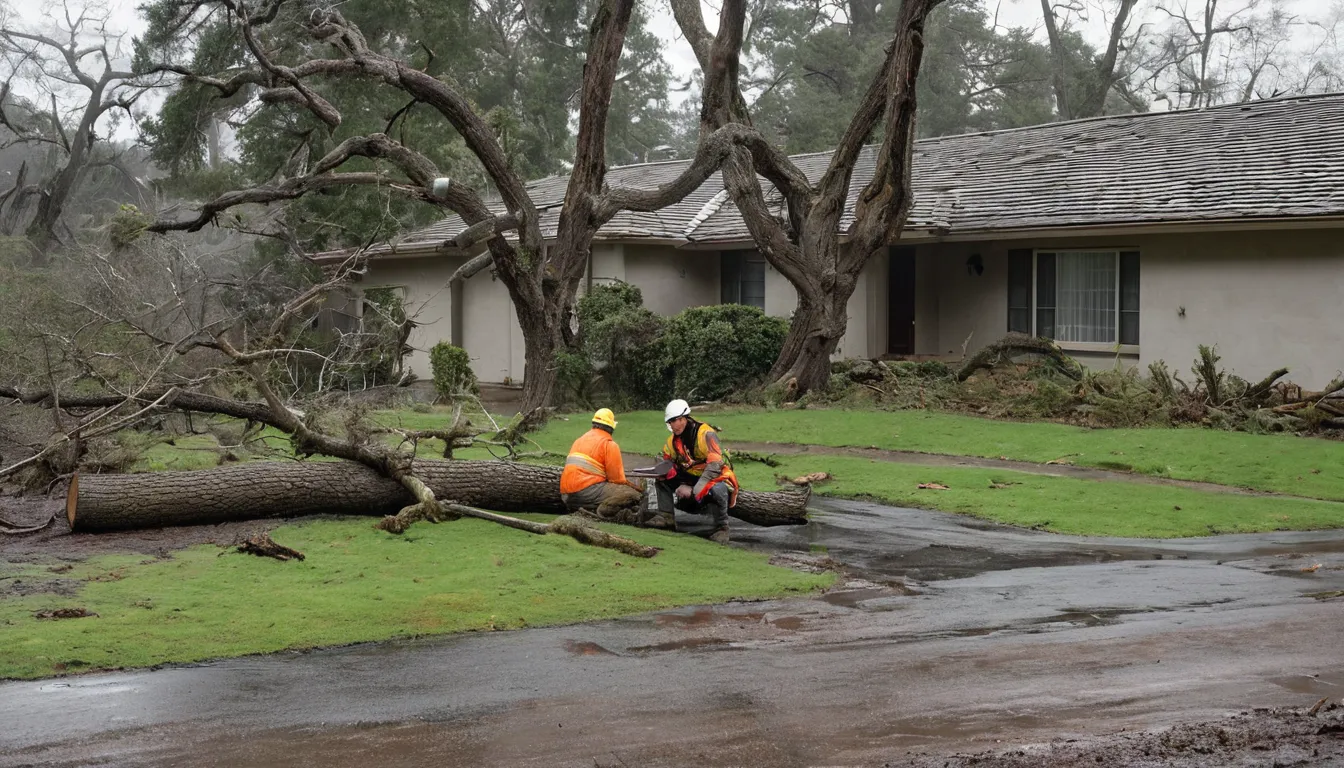
A fallen tree can leave you wondering whether to move a branch, inspect the roof, or stay away. Start by keeping people and pets away from the damaged tree and anything it touches. Wood can hold pressure like a bent ruler, then spring back when disturbed. A hanging limb, raised root plate, or trunk resting against a home needs assessment by a local provider. Useful homeowner preparation begins outside that danger area, with a clear description of what happened.
Hydrixapp Tree Service is a referral service, not the business performing the removal. Providers in our network assess the property, explain available options, and quote their own work. You can discuss access, nearby structures, debris hauling, and areas you want protected. The provider determines the equipment and approach needed. Understanding those choices helps you arrange the next step without attempting risky cutting or making promises about an outcome before inspection.
If a tree has fallen or shifted, keep people and pets away from the tree, hanging branches, and anything supporting its weight. Do not walk underneath it for a closer photograph. Think of the area as a closed doorway: curiosity is not a reason to cross it. For an active threat to people, contact emergency services before arranging removal.
A tree touching a wire needs utility involvement before removal work can proceed safely. Stay away from the tree, nearby fences, and other objects it touches. Do not assume a quiet wire is harmless. Like a plugged-in appliance with no indicator light, its appearance cannot tell you whether electricity is present. Contact the utility from a safe location.
Request a callback to check provider availability for emergency tree removal in Huntington Beach. Describe whether the tree is on a structure, blocking access, leaning differently, or holding broken limbs overhead. These details give the provider a starting picture, like describing a leak before someone examines the pipe. Hydrixapp Tree Service connects requests with independent providers; assessment, scheduling, and removal belong to the provider.
A newly leaning trunk, split branch junction, lifting soil near roots, or suspended limb can signal instability. A tree does not need to reach the ground to create a serious hazard. Picture a chair with one damaged leg: standing upright does not prove it can hold its load. Keep your distance and describe visible changes without approaching to test them.
From somewhere safely away from the damaged tree, gather existing photographs, note when the damage appeared, and explain normal property access. Keep pets indoors if that location is safe. Do not move vehicles or garden furniture from beneath unstable wood. Preparing information is like setting out a recipe before cooking: it helps planning without starting the dangerous part of the job.
Fallen wood may be bent, trapped, or supported by another branch. Cutting one piece can move several others. A loaded spring is a useful comparison because stored pressure may release unexpectedly. The provider assesses these forces before choosing equipment. If you searched for a tree falling service, explain whether the tree is already down or remains partly standing.
The provider may recommend lowering smaller pieces rather than moving a whole trunk at once. Near a house, this can help control where weight travels. Think of taking a heavy cabinet apart before carrying it through a narrow doorway. The actual method depends on the tree, its supports, available access, and the condition of nearby structures. Ask for that explanation before work begins.
Tell the provider about roof contact, damaged gutters, narrow side yards, and vulnerable stucco surfaces. Mention known underground services and areas near slabs or raised foundations that need consideration. Moving heavy equipment is like moving furniture across a finished floor: the route matters as much as the destination. Ask how the proposed approach addresses further damage and what protection is practical.
After widespread damage, storm tree clearance may involve blocked roads, utility restrictions, and several properties with serious hazards. Appointment options can change as providers assess conditions. Think of a crowded repair queue where access and risk affect the order. Ask what information is needed to confirm a visit, how updates are shared, and whether any outside clearance is required first.
Photograph damage only from a safe position and save messages, estimates, and invoices. A simple dated record works like a folder of receipts: it helps keep separate decisions and expenses understandable. Some policies may cover sudden damage; check your policy. Providers can often help document damage for a claim, but your insurer determines coverage under your policy's terms.
Ask whether the written quote includes equipment, cutting, lifting, hauling, and the agreed level of cleanup. Confirm what happens if concealed damage changes the work. Like a shopping list, a clear scope helps both sides recognize what belongs in the price. Discuss payment terms and any required permissions with the provider before agreeing to proceed with the appointment.
Removal should have a clear endpoint, such as reopening a driveway or clearing fallen wood from a damaged fence. Ask what material will remain and which areas may still need separate attention. Picture clearing a table before using it again: removing the large object is only part of restoring useful space. Clear expectations support the property's appearance and future use.
Long dry periods followed by winter rain can change conditions around roots, though weather alone cannot explain a particular failure. Ask the provider whether nearby trees show visible concerns that deserve further assessment. This is like checking adjacent shelves after one bracket breaks. Keep the discussion focused on observed conditions rather than assuming every tree needs removal or that another failure is certain.
Before booking, ask who will perform the work, how access will be managed, and what could change the quoted scope. A written plan is like a map: it gives the visit a shared direction while leaving room for actual conditions. Request a callback to check provider availability, or submit the request form for an estimate with no obligation.
A local provider examines damaged wood and nearby structures before explaining a suitable removal approach.
The provider selects cutting and lifting methods based on tree position, stored pressure, access, and nearby obstacles.
Discuss gates, driveways, vulnerable surfaces, and equipment routes so the provider understands your property's practical access limits.
Confirm which fallen branches and trunk sections the provider will haul away before approving work.
These broad typical U.S. ranges are planning guides, like rough measurements before fitting furniture. Prices vary by job, location, access, and hazards. Request a written quote; these categories can overlap.
| Item | Typical U.S. range | Notes |
|---|---|---|
| Small fallen tree with open access | $300 – $900 | Ground-level work with limited handling; urgent scheduling may add expense. |
| Medium fallen tree removal | $600 – $1,800 | Trunk size, debris volume, and access affect the quote. |
| Large fallen tree removal | $1,200 – $3,500 | Heavy sections may require lifting equipment and additional handling. |
| Tree resting on a structure | $1,500 – $5,000 | Controlled lifting and structural contact increase complexity. |
| Removal involving utility coordination | $1,500 – $6,000 | Utility clearance is required; utility charges may be separate. |
| Complex crane-assisted emergency removal | $3,000 – $8,000 or more | Crane access, tree size, and unstable supports shape the scope. |
Share what you can observe safely, including roof contact, blocked access, hanging limbs, and changes in leaning.
A local provider explains appointment options and what information the assessment requires.
Use the written scope like a checklist for equipment, protection, hauling, and price.
Confirm access arrangements and appointment details directly with the provider before work starts.
Hydrixapp Tree Service makes the referral; the independent provider assesses conditions, quotes the project, and performs the work.
Understand why access, unstable wood, and nearby structures influence the provider's approach.
Learn which details help planning while leaving hazardous tasks to the provider.
Discuss protection and cleanup expectations, like agreeing on boundaries before moving heavy furniture.
Request a callback to discuss a tree removal appointment in Huntington Beach, or use the request form to share your project details.
No obligationDamaged wood can hold pressure like a compressed spring. Avoid cutting, pulling, or climbing on it. A local provider can assess hidden loads and explain the equipment needed for controlled removal.
Some policies may cover sudden damage; check your policy and ask your insurer about your situation. Treat photographs and invoices like a project record. Providers can often help document damage, but they do not decide your coverage.
Describe where the tree rests, whether wires or structures are involved, and which access routes remain usable. Share photographs only if taken safely. Think of these details as a map for the assessment; the provider still needs to evaluate actual site conditions.
Request a callback to discuss a tree removal appointment in Huntington Beach, or use the request form to share your project details.
No obligation